

In the beauty industry, packaging is more than a container. It is the first physical interaction between a customer and a brand. Before consumers try a skincare cream, lipstick, perfume, or beauty kit, they already form an impression based on the packaging design, material quality, color, texture, and unboxing experience.
For beauty brands, custom cosmetic packaging boxes play a strategic role in product positioning, retail presentation, product protection, and customer trust. A well-designed cosmetic box can help a product stand out on shelves, communicate brand value, and create a premium purchasing experience. A poorly designed box, however, may weaken brand perception even if the product inside is excellent.
This complete guide explains how beauty brands should approach custom cosmetic packaging boxes, from box structure and material selection to printing, finishing, cost control, and supplier evaluation.
Why Custom Cosmetic Packaging Matters for Beauty Brands
The beauty market is highly visual and emotionally driven. Consumers often judge product quality before opening the package. This makes packaging one of the most important tools for brand communication.
Custom cosmetic packaging helps beauty brands:
● Create a stronger first impression
● Build consistent brand identity
● Protect delicate cosmetic products
● Improve retail shelf appeal
● Support premium pricing
● Enhance the unboxing experience
For startups and private label beauty brands, packaging can also help establish trust quickly. When customers see professional packaging, they are more likely to believe the product is reliable, safe, and valuable.
Understanding Different Types of Cosmetic Packaging Boxes
Not every cosmetic product requires the same packaging structure. The right box depends on product size, weight, fragility, retail channel, and brand positioning.
Folding Carton Boxes
Folding cartons are lightweight, cost-effective, and suitable for skincare bottles, lipsticks, masks, and small cosmetic products. They are ideal for brands that need flexible packaging with lower production costs.
Rigid Cosmetic Boxes
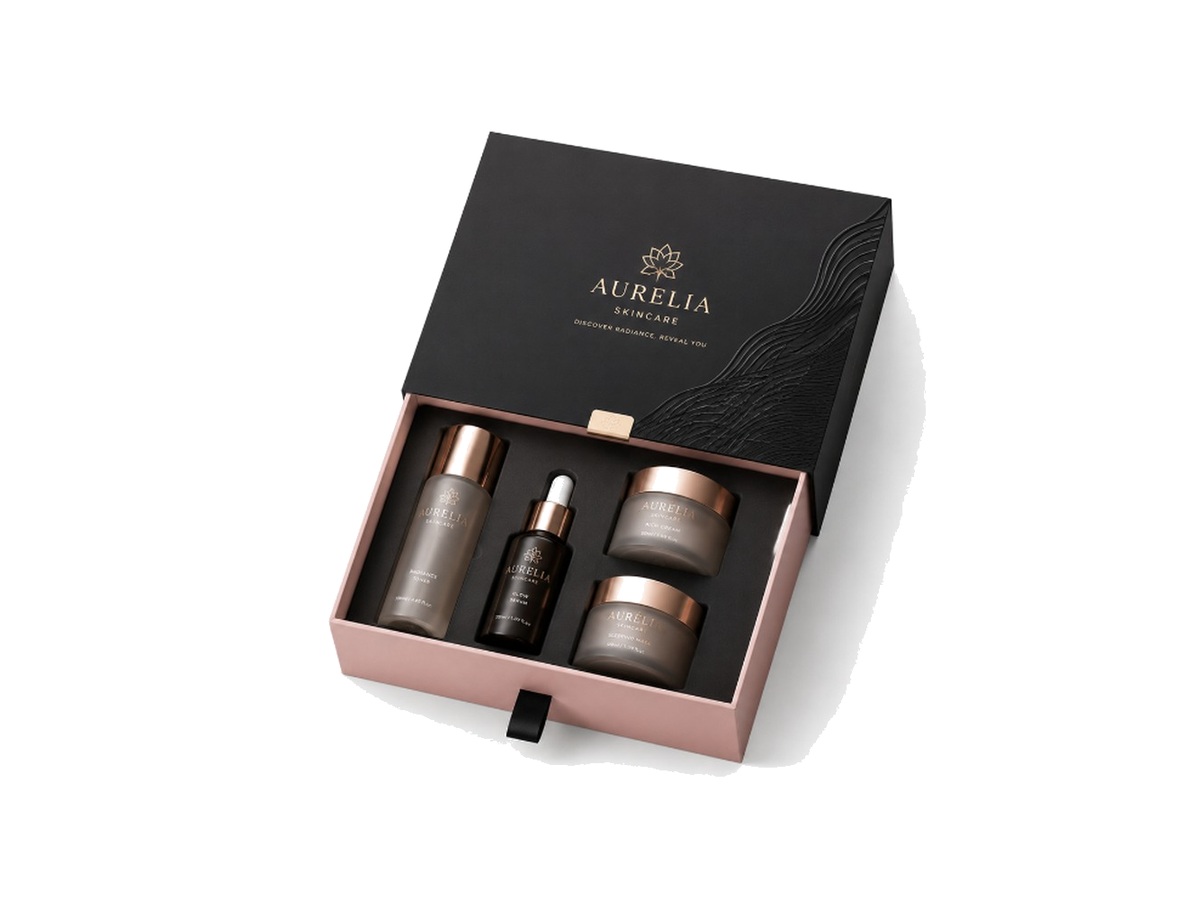
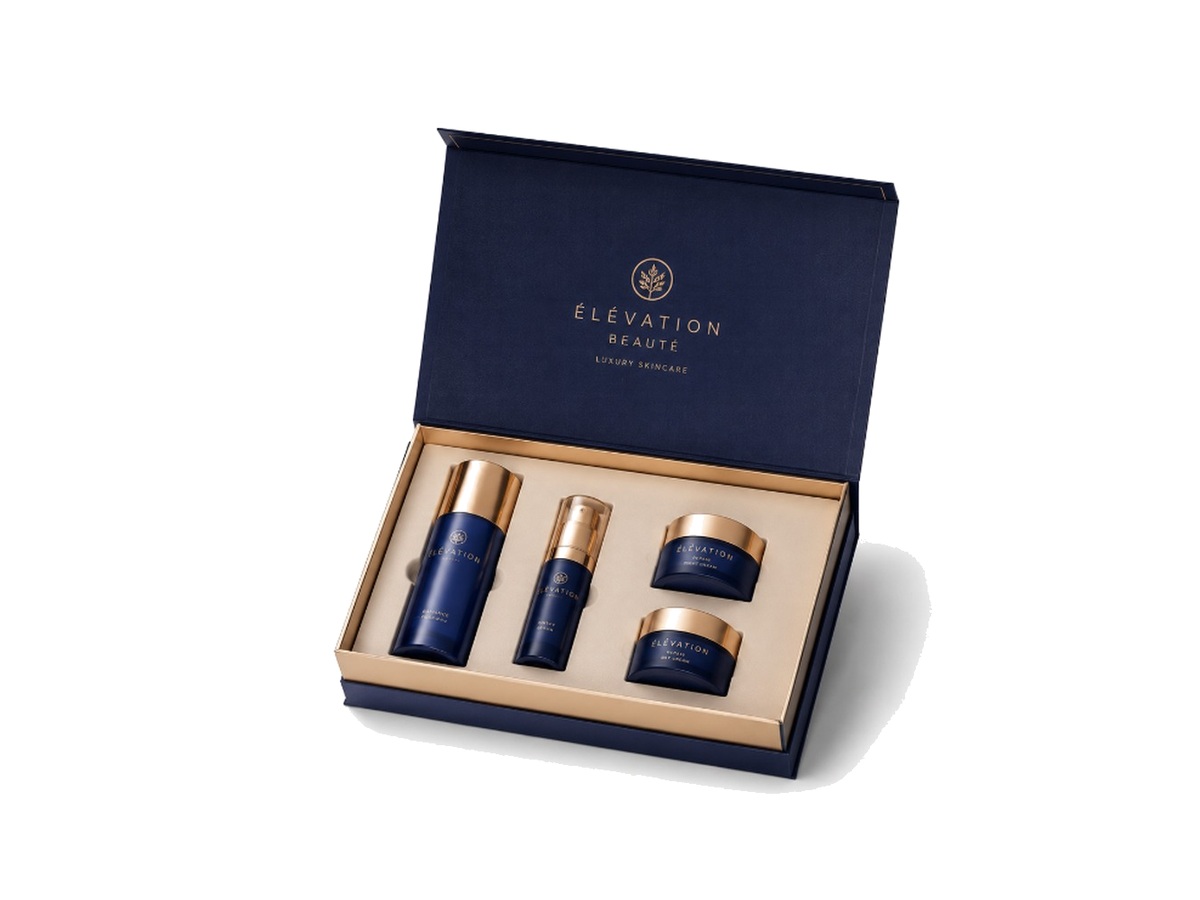
Rigid boxes are thicker, stronger, and more premium. They are often used for luxury skincare sets, perfume gift boxes, beauty kits, and high-end product collections.
Drawer Boxes
Drawer-style packaging creates a refined opening experience. It works well for gift sets, limited-edition beauty products, and influencer PR packages.
Magnetic Closure Boxes
Magnetic boxes are commonly used for luxury cosmetic packaging because they combine durability, premium presentation, and strong unboxing appeal.
Cosmetic Packaging Box Types and Best Applications
|
Packaging Type |
Best For |
Key Advantage |
|
Folding Carton Box |
Lipstick, cream, serum, masks |
Cost-effective and flexible |
|
Rigid Box |
Luxury skincare sets, gift boxes |
Premium brand perception |
|
Drawer Box |
Beauty kits, PR packages |
Strong unboxing experience |
|
Magnetic Closure Box |
High-end cosmetics, perfumes |
Luxury presentation |
|
Window Box |
Products needing visibility |
Better product display |
This table helps beauty brands choose packaging based on product purpose rather than appearance alone.
Material Selection Affects Brand Positioning
Material choice directly influences how customers perceive your cosmetic products. A luxury skincare brand should not use weak or thin paperboard, while a mass-market cosmetic brand may not need expensive rigid packaging for every product.
Common materials include:
● Art paper for high-quality printing
● Kraft paper for natural or eco-friendly beauty brands
● Rigid paperboard for premium packaging
● Specialty paper for textured or luxury effects
● Coated paper for smooth color presentation
The best material should match the brand’s price level, product category, and customer expectations.
Eco-Friendly Materials Are Becoming More Important
More beauty consumers now care about sustainability. Brands that use recyclable paper, FSC-certified materials, or plastic-free packaging can better connect with environmentally conscious customers.
However, sustainability should not reduce packaging performance. A professional packaging manufacturer should help balance eco-friendly design with durability, printing quality, and product protection.
Printing and Finishing Create the Visual Identity
Printing quality has a major impact on cosmetic packaging. Even a simple box can look premium when colors, typography, and finishing techniques are handled correctly.
Popular printing and finishing options include:
● CMYK printing
● Pantone color matching
● Matte lamination
● Gloss lamination
● Hot foil stamping
● Embossing
● Debossing
● Spot UV
● Soft-touch coating
Finishing Should Match the Brand Personality
A clean skincare brand may prefer matte lamination and minimal typography. A luxury perfume brand may choose gold foil, embossing, and rigid box construction. A colorful makeup brand may use bold printing, special textures, and high-impact graphics.
The goal is not to use every process, but to choose the finishing methods that best express the brand.
Packaging Structure Must Protect the Product
Cosmetic products often include glass bottles, pumps, jars, palettes, tubes, and fragile containers. Packaging must protect these products during shipping, storage, retail display, and customer handling.
A strong packaging structure should consider:
● Product size and weight
● Inner tray or insert design
● Anti-shock protection
● Box thickness
● Shipping conditions
● Retail display requirements
Inserts Improve Product Safety
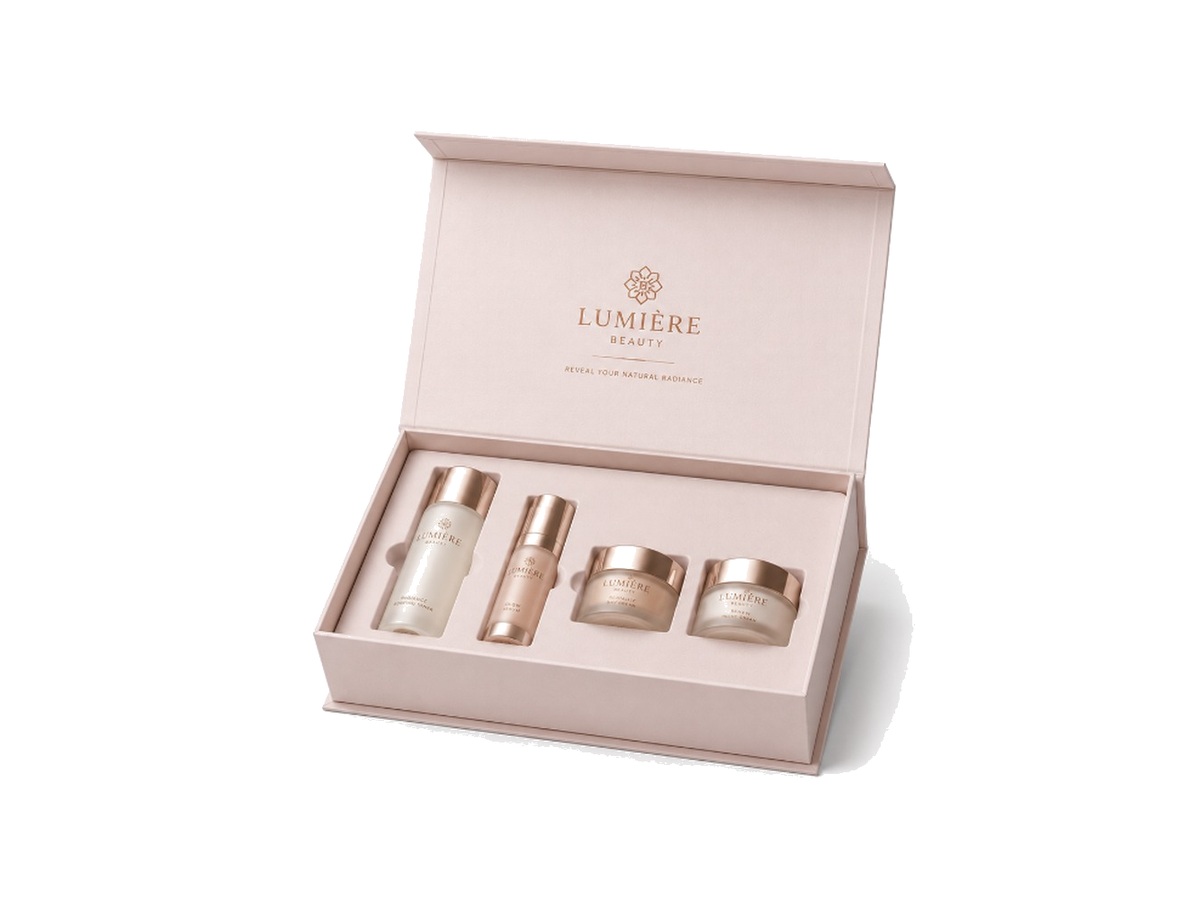
Paper inserts, EVA inserts, cardboard dividers, and molded trays can help hold cosmetic products in place. This is especially important for perfume bottles, serum bottles, skincare sets, and luxury gift boxes.
Without proper inserts, products may move inside the box, causing damage and weakening the unboxing experience.
How Packaging Supports Beauty Brand Marketing
Custom cosmetic packaging is not only functional. It is also a marketing asset. It communicates brand story, product benefits, ingredient positioning, and lifestyle value.
Effective cosmetic packaging should answer three questions:
● What does this brand stand for?
● Why should customers trust this product?
● What makes this product different?
Packaging Helps Create Shelf Differentiation
In retail stores, many beauty products compete within the same category. Packaging color, box shape, material texture, and visual hierarchy all influence whether customers notice the product.
For e-commerce brands, packaging also affects reviews, repeat purchases, and social media sharing. A good unboxing experience can become free marketing.
Cost Factors Beauty Brands Should Understand
Many brands ask for custom packaging prices before they understand what affects cost. In reality, packaging cost depends on several factors.
Major cost factors include:
● Box size
● Material type
● Printing complexity
● Finishing process
● Insert design
● Order quantity
● Packaging structure
● Sampling requirements
MOQ and Unit Cost Are Closely Connected
Lower order quantities usually mean higher unit costs because setup, printing, tooling, and production preparation are shared across fewer boxes. Beauty startups should balance budget, launch quantity, and long-term packaging strategy before choosing specifications.
A reliable packaging supplier should explain cost differences clearly instead of simply offering the lowest price.
Common Mistakes in Cosmetic Packaging Projects
Many packaging problems happen because brands focus too much on appearance and not enough on production details.
Common mistakes include:
● Choosing a box style before confirming product size
● Using weak material for heavy products
● Ignoring shipping protection
● Overusing expensive finishing processes
● Providing incomplete artwork files
● Skipping physical sample approval
● Choosing suppliers based only on low price
These mistakes can lead to delays, extra costs, poor quality, or packaging that does not match the product.
How to Choose a Reliable Cosmetic Packaging Manufacturer
Choosing the right packaging manufacturer is critical for beauty brands. A professional supplier should understand both packaging production and beauty market requirements.
Important evaluation factors include:
Customization Capability
The manufacturer should support custom size, structure, material, printing, finishing, inserts, and packaging style.
Sampling Support
Samples help brands verify structure, colors, materials, and finishing before mass production.
Quality Control
Cosmetic packaging requires consistent printing, accurate color matching, clean edges, strong structure, and neat finishing.
Communication Efficiency
Packaging projects involve many details. Fast and accurate communication reduces mistakes and shortens development time.
Conclusion
Custom cosmetic packaging boxes are essential for beauty brands that want to build trust, improve product presentation, and create a stronger customer experience. The right packaging protects the product, communicates brand identity, supports retail sales, and strengthens perceived value.
For beauty brands, packaging decisions should not be based only on appearance or price. Box structure, material, printing, finishing, inserts, MOQ, and supplier capability all affect the final result. By working with an experienced custom cosmetic packaging manufacturer, brands can develop packaging that is beautiful, functional, cost-effective, and aligned with long-term growth.
FAQ
What are custom cosmetic packaging boxes?
Custom cosmetic packaging boxes are personalized paper packaging solutions designed for beauty products such as skincare, makeup, perfumes, beauty kits, and cosmetic gift sets.
What is the best material for cosmetic packaging boxes?
The best material depends on product positioning. Folding paperboard is suitable for standard cosmetics, while rigid board is better for luxury beauty packaging.
Can cosmetic packaging boxes be eco-friendly?
Yes. Brands can use recyclable paper, kraft paper, FSC-certified materials, and plastic-free structures to create more sustainable cosmetic packaging.
What finishing options are popular for beauty packaging?
Popular options include matte lamination, gloss lamination, hot foil stamping, embossing, debossing, spot UV, and soft-touch coating.
Do cosmetic boxes need inserts?
Many cosmetic products benefit from inserts, especially glass bottles, perfume bottles, skincare sets, and fragile beauty products.
How should beauty brands choose a packaging supplier?
Brands should evaluate customization capability, sample quality, printing accuracy, quality control, production experience, and communication efficiency.
Post time: Jun-18-2026


