

Custom packaging MOQ is one of the first questions small and growing brands ask when they prepare gift boxes, cosmetic boxes, jewelry boxes, chocolate boxes, paper bags, or retail packaging. MOQ means minimum order quantity, but the real issue is not only how low the number can be. Buyers need to understand why MOQ exists and how to plan an order that protects budget, quality, and future growth.
A manufacturer sets MOQ because custom packaging requires material sourcing, printing setup, tooling, sampling, machine adjustment, labor planning, and packing. Very small orders can be possible in some cases, but they often carry higher unit prices and fewer customization choices.
For JiaCheng Paper Products, which works with custom gift, cosmetic, jewelry, food, chocolate, advent calendar, tube, wine, and paper box packaging, the best MOQ discussion starts with product needs, brand stage, and whether the packaging will become a repeat item.
Read MOQ as a Manufacturing Signal
Custom packaging MOQ is not only a number on a quotation. It reflects the minimum production quantity needed for material sourcing, printing setup, tooling, assembly, inspection, and packing to run efficiently. A lower MOQ can be useful, but it may also limit material choices or increase unit price.
Small brands should understand what the MOQ includes before negotiating. The goal is not always the lowest possible number; it is a workable quantity that supports quality, budget, and sales planning.
When MOQ is discussed early, the supplier can recommend simpler structures, available materials, or shared components that keep the first order realistic without making the packaging look temporary.
This also helps the buyer avoid changing direction after sampling. Late changes to paper, size, insert, or finishing can affect MOQ again and may delay the launch schedule.
Decide What the First Order Must Prove
Different Brand Stages Need Different Orders
A first order may need to test market response, support a product launch, prepare influencer kits, supply a retail opening, or establish a long-term packaging standard. Each goal leads to a different MOQ decision.
● A launch test should avoid excessive inventory.
● A premium gift set may justify higher MOQ for better structure.
● A seasonal campaign should match confirmed sales timing.
● A repeat retail item should consider future reorder stability.
Identify Design Choices That Push MOQ Higher
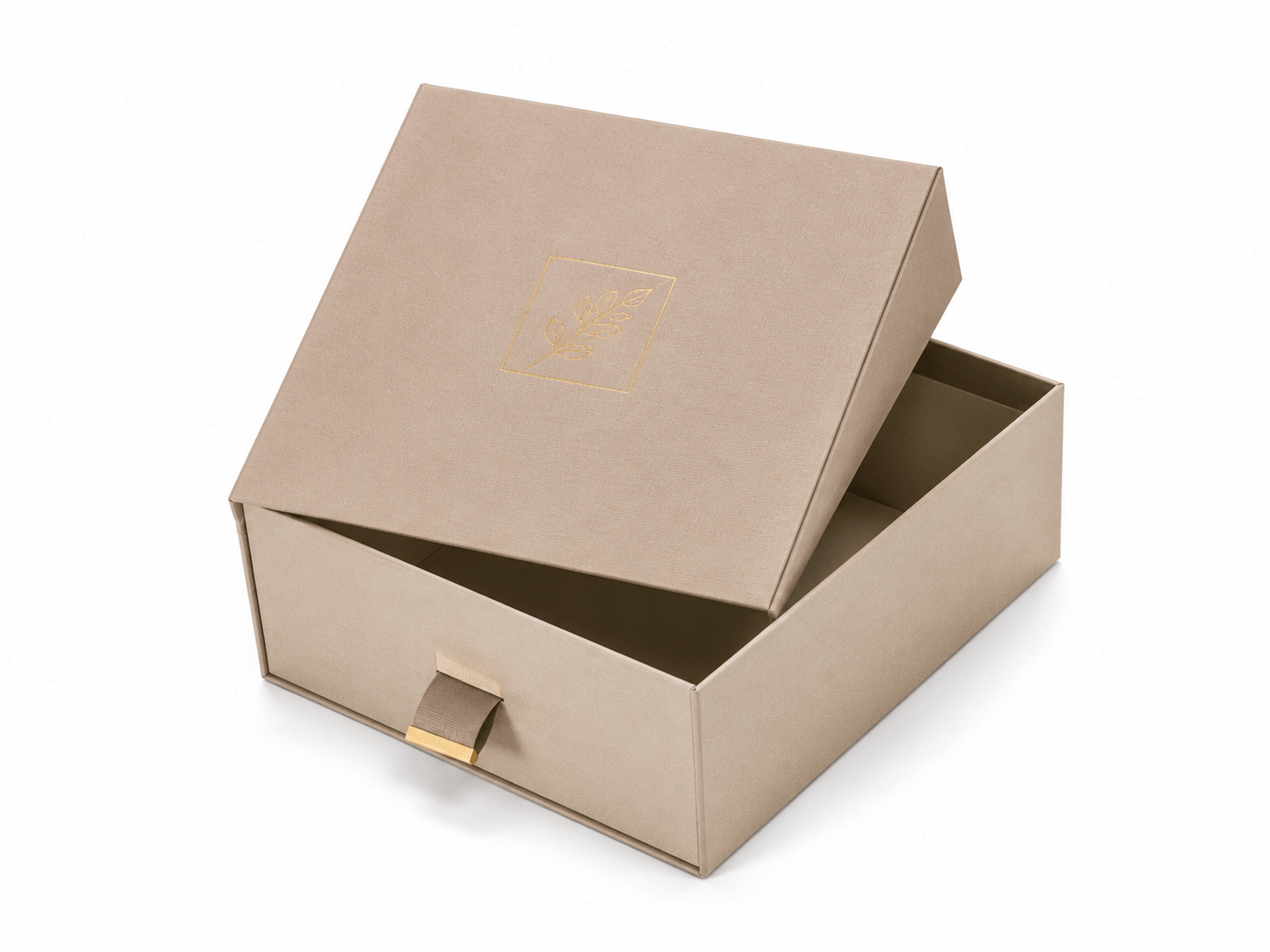
Custom size, specialty paper, rigid box construction, magnetic closure, special inserts, foil stamping, embossing, spot UV, and exact color matching can all raise MOQ. These options may be worth it, but buyers should know which choices are essential and which can wait until the brand grows.
The same applies to multiple versions. If a brand wants five colors, three box sizes, and several insert styles in the first order, the total MOQ pressure can rise quickly even when each single version looks manageable.
Build a Version One and Version Two Plan
Version one can use a simpler structure with strong logo printing. Version two can add more special paper, inserts, or finishing after the product proves demand.
Use Three Quantity Scenarios
Do Not Ask for Only One Price
Buyers should request three price levels: a test quantity, a growth quantity, and a repeat-order quantity. This makes the MOQ decision clearer because the buyer can see how unit price changes as setup costs are spread across more units.
The best choice balances cash flow, storage space, sales forecast, and packaging stability.
This is especially helpful for growing brands that are not sure how fast the product will sell. A three-level quote gives the buyer a practical roadmap instead of forcing a decision based on one number.
Reduce MOQ Pressure With Shared Components
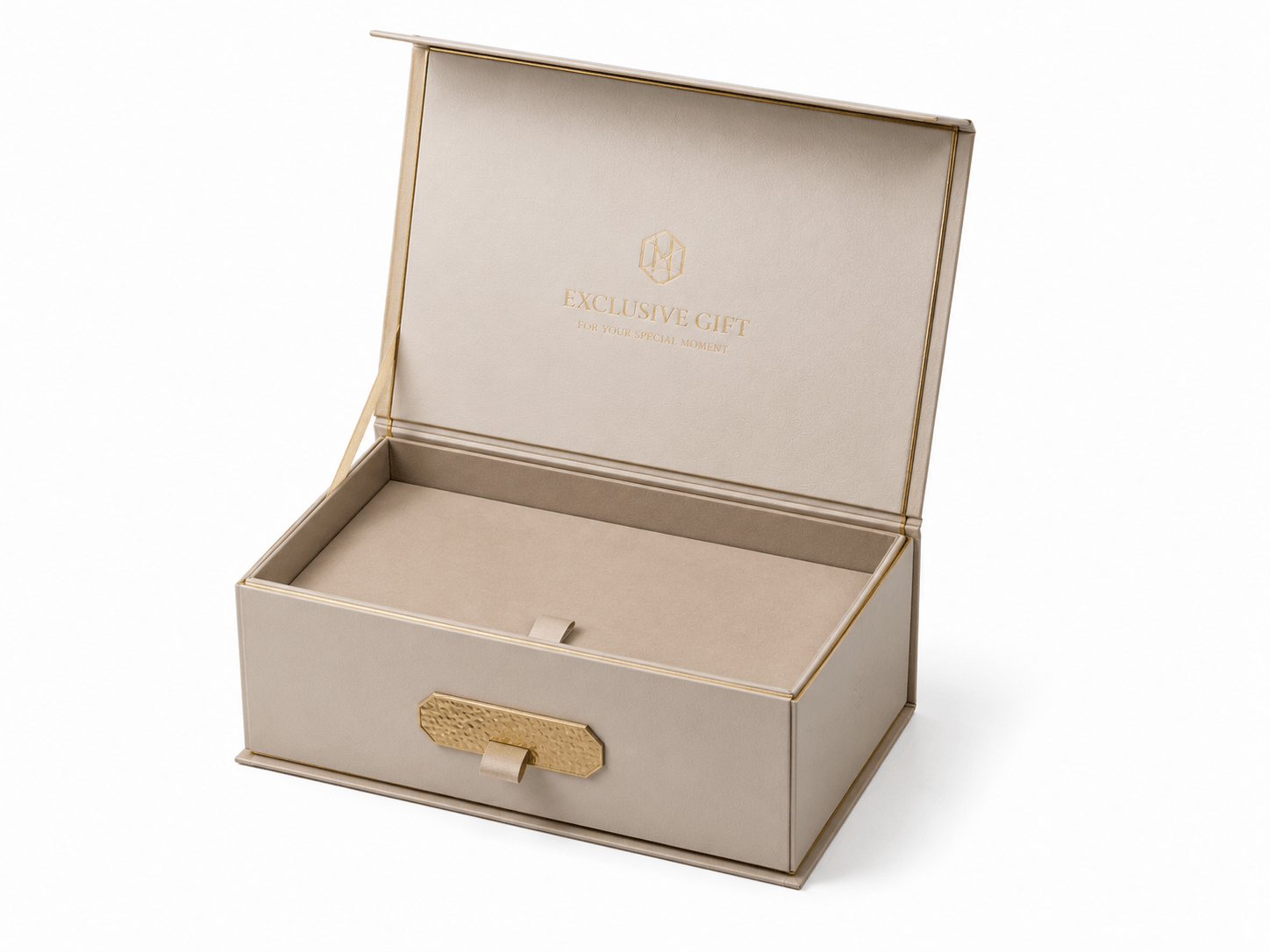
Brands with several scents, colors, flavors, or SKUs can often reduce MOQ pressure by sharing one core box structure. Different versions can be created with sleeves, labels, insert cards, stickers, or printed bands instead of producing a completely different box for every product.
● Use one box size for related products.
● Change artwork through sleeves or labels.
● Keep the same insert when product dimensions allow it.
● Limit color versions in the first production run.
Negotiate Flexibility Without Weakening Quality
Low MOQ Should Still Be Production-Ready
A supplier may be able to lower MOQ by using available paper, a standard box structure, simpler finishing, or shared components. However, the buyer should not accept a weak structure, poor material, or unstable print result just to reduce the quantity.
JiaCheng Paper Products can help buyers compare which specification changes are practical and which would damage the final packaging experience.
A useful negotiation gives the supplier room to adjust the specification while keeping the customer-facing result professional. The buyer should protect the parts customers notice most: structure, logo clarity, opening feel, and product fit.
Plan Storage, Cash Flow, and Reorder Timing
Packaging inventory affects cash flow and warehouse space. Rigid boxes, magnetic boxes, advent calendar boxes, and assembled gift boxes can take more room than folding cartons. Buyers should confirm how many units they can store safely before choosing a larger quantity.
Reorder timing also matters. If the first order sells quickly, late packaging replenishment can delay product shipments. A simple reorder record should include approved sample, artwork, material, color, carton packing, and lead time.
For seasonal products, the order quantity should also match the selling window. Extra holiday packaging may become difficult to reuse if the artwork, date, or theme is too specific.
Prepare an Inquiry That Helps the Supplier Lower Risk
Better Information Creates Better MOQ Options
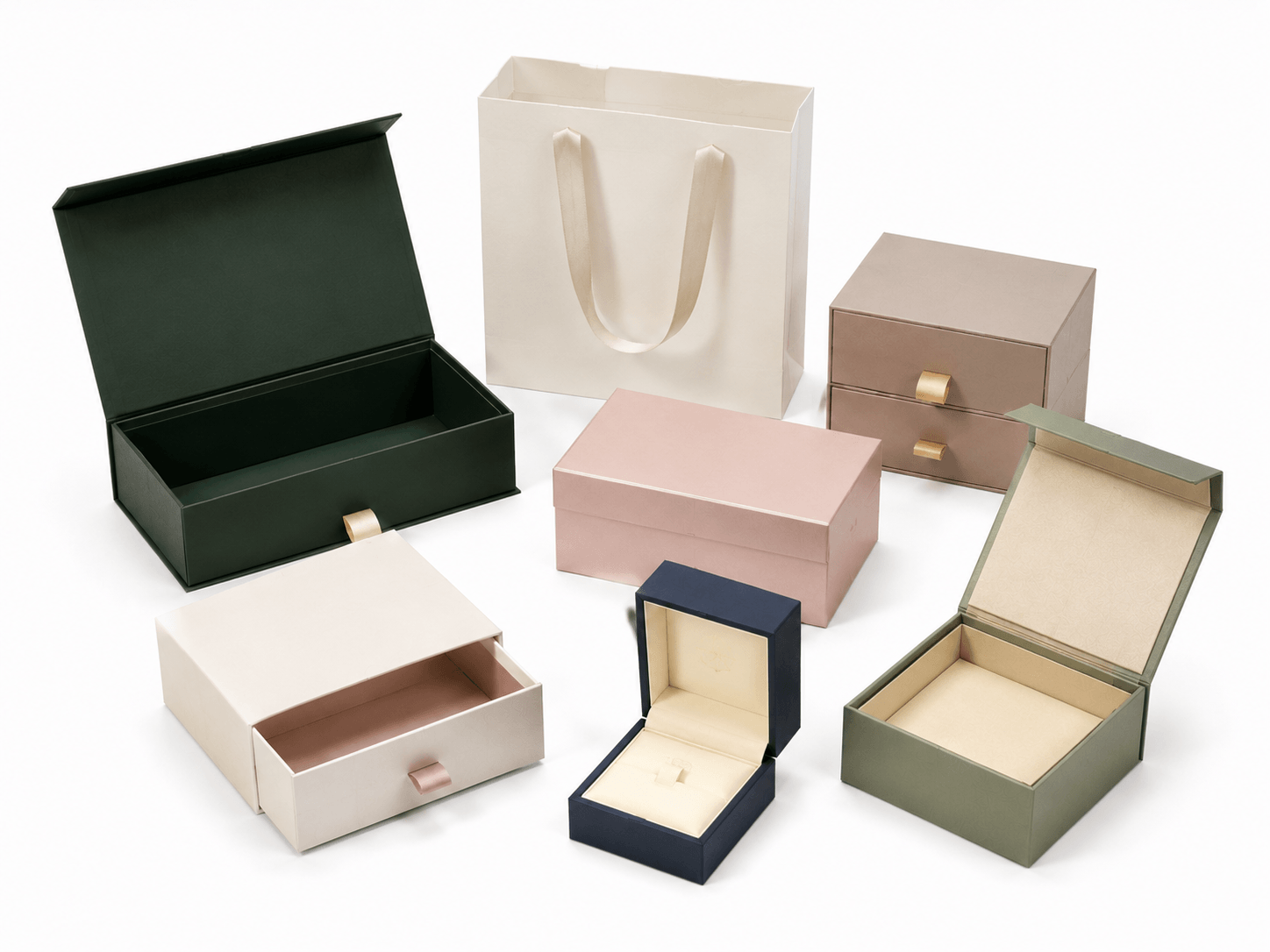
A good inquiry should include product dimensions, box type, material preference, printing, finishing, insert needs, target quantity, launch date, budget range, and shipping destination. If the buyer can mark which details are flexible, the supplier can suggest more workable MOQ choices.
● Share the product size and weight.
● Provide artwork or logo files early.
● Explain whether the order is a test or repeat program.
● Ask for alternatives instead of only one fixed specification.
Conclusion
Custom packaging MOQ should be planned as part of the full packaging strategy. A lower MOQ can help new brands test the market, while a higher MOQ can reduce unit cost and support stable repeat orders. The right decision depends on product value, customization depth, sales forecast, storage, and brand stage.
By preparing clear specifications and asking for quantity price breaks, buyers can work with JiaCheng Paper Products to choose packaging that fits both current budget and future growth. MOQ becomes easier to manage when the brand treats packaging as a planned supply item rather than a last-minute purchase.
FAQ
What does custom packaging MOQ mean?
It means the minimum order quantity required for a custom packaging project, based on material sourcing, printing setup, tooling, production planning, and packing requirements.
Can small brands order custom packaging with low MOQ?
Sometimes yes, especially with simpler structures and available materials. However, lower MOQ may have higher unit cost or fewer customization options.
How can buyers reduce MOQ pressure?
Use standard structures, shared sizes, available paper, limited finishing, sleeves, labels, or fewer SKU versions during the first order.
What should buyers ask before confirming MOQ?
Ask for price breaks, sample cost, lead time, material availability, packing method, reorder options, and whether the specification can remain stable for future production.
Post time: Jul-16-2026


